Literal parameter names
Denier is not GSM; water resistance is not seam waterproofing; abrasion results from different methods are not automatically comparable.
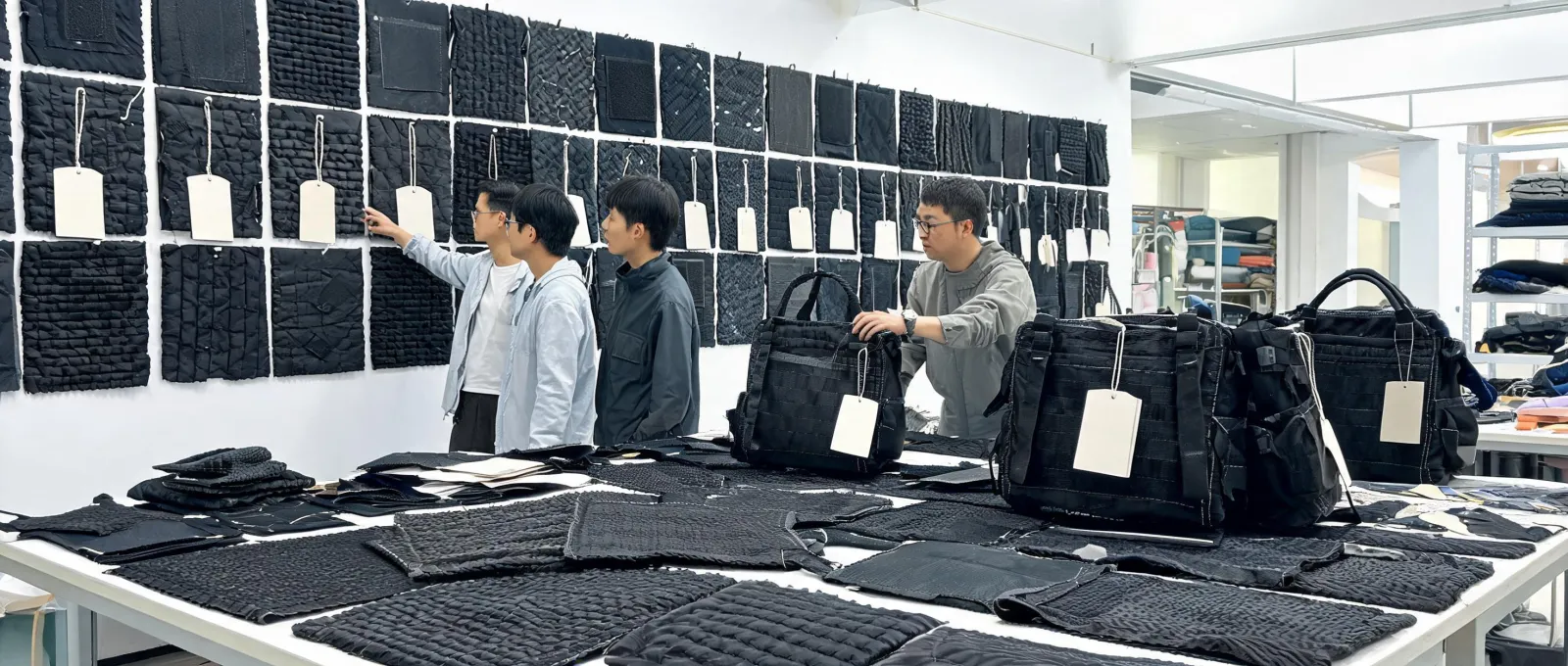
A compact working system for product developers who need protective and outdoor fabrics described in measurable terms.
A useful specification exposes its assumptions. It identifies the end use, damage modes, fiber and yarn system, construction, weight, width, finish and test conditions. Reviewers can then ask whether a method represents actual use rather than accepting “heavy duty” as a technical conclusion.
Sample approvals, reports and compliance documents stay connected to the material, color, finish, entity, date and lot they cover. If a relevant input changes, the team decides whether the earlier evidence remains applicable or a new check is required.
Denier is not GSM; water resistance is not seam waterproofing; abrasion results from different methods are not automatically comparable.
Construction, coating, test direction, conditioning and pass level accompany a technical statement, while untested variants remain outside its scope.
Approved swatches and records identify the decision made, then production review checks the ordered lot against the agreed criteria.
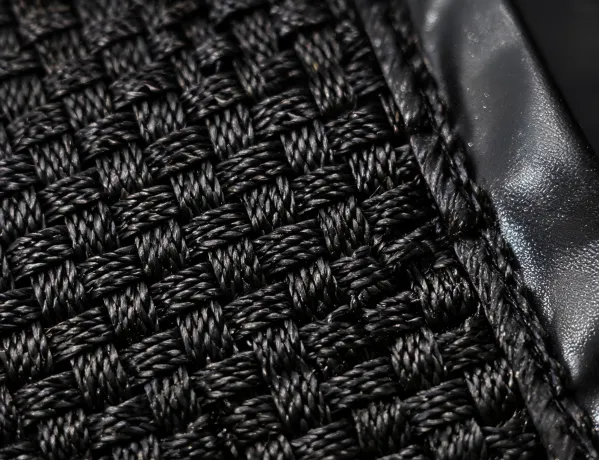
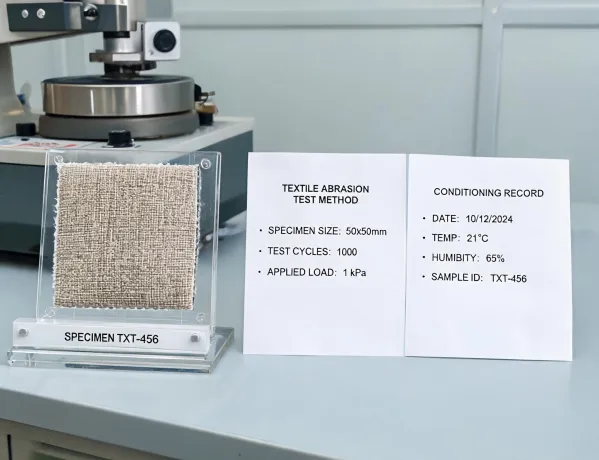
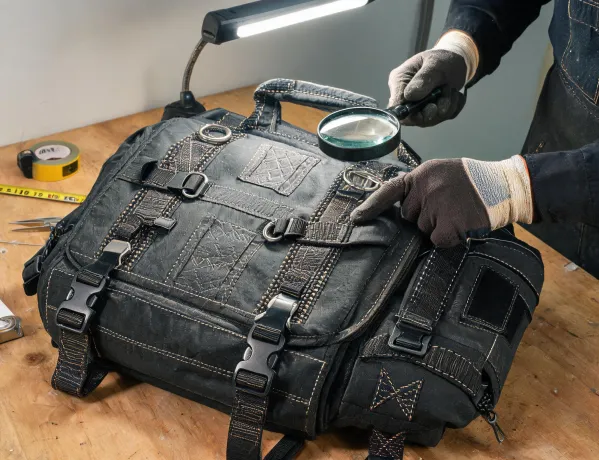
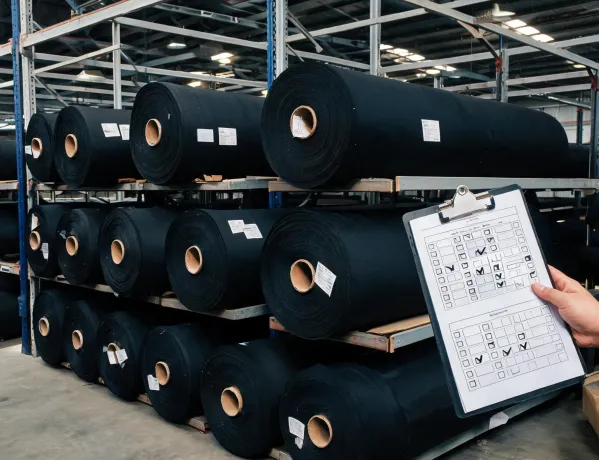
These scenes describe a decision workflow, not owned facility or capacity claims. Actual manufacturing, laboratory and document availability is confirmed for the proposed supply route.
Material teams can use the same sequence even when the preferred construction changes. The record should show why a substitute was introduced, which earlier decisions remain valid, and which checks must be repeated. This prevents a visual match from being treated as proof of identical yarn, coating, physical behavior or compliance status.
Use the sourcing program to identify the inputs needed before samples or quotations are compared.
Open Sourcing Program